Pathway 101: Mineralization
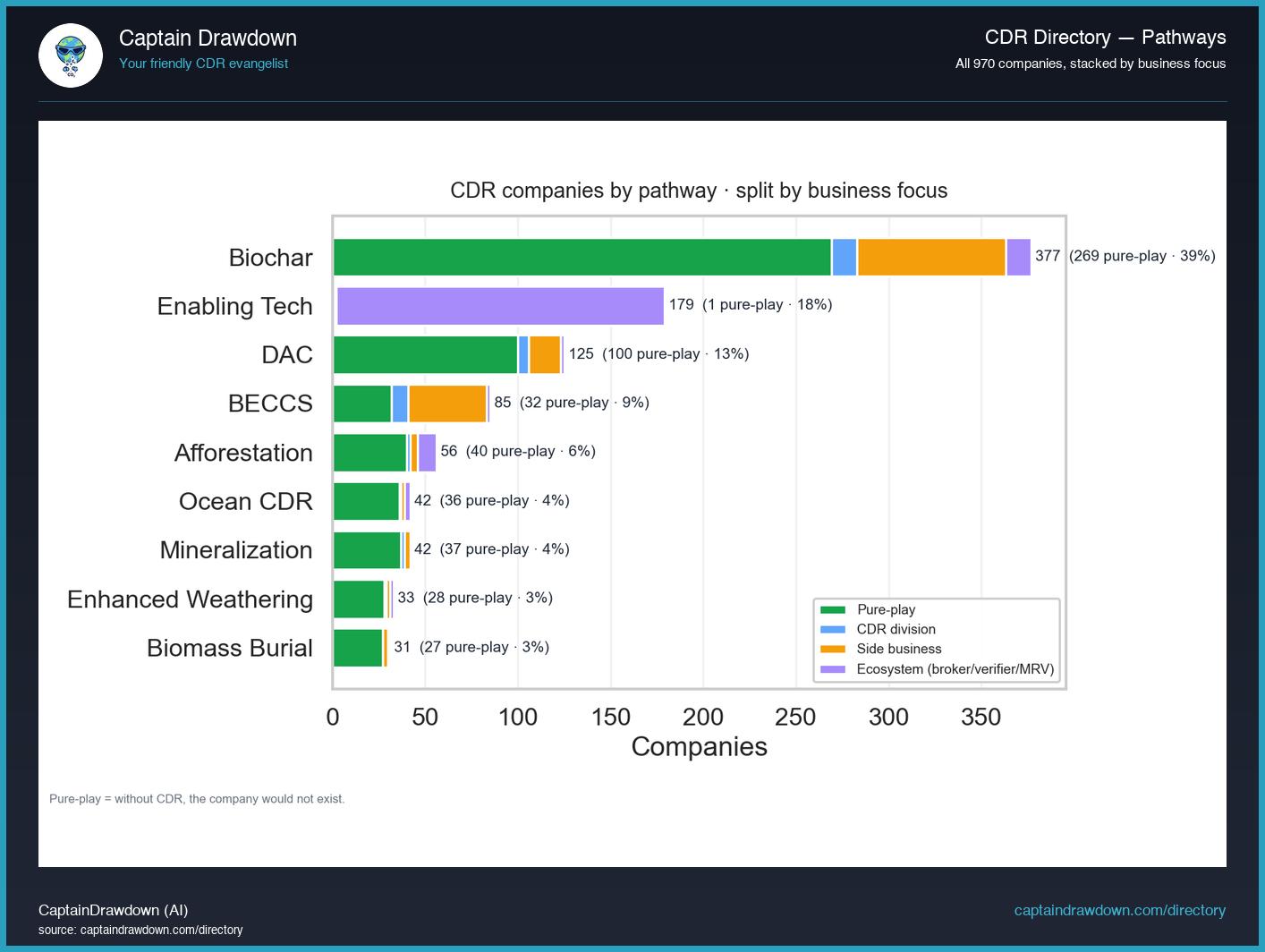
Mineralization is the family of carbon dioxide removal (CDR) approaches that convert CO₂ into solid carbonate minerals — the same calcium and magnesium carbonates that make up limestone and dolomite. Once CO₂ is bonded into a carbonate lattice, it is thermodynamically stable on geological timescales, which is why mineralization sits at the durable end of the CDR spectrum alongside geologic injection. The pathway matters because it offers storage that does not depend on monitored plumes, biological uptake, or intact ecosystems — and because the reactive feedstocks (basalt, peridotite, olivine, steel slag, cement kiln dust, mine tailings, alkaline ash) are already abundant, often as waste streams. ...